
Packing How-Tos
How to Pack a Kitchen Without Breaking Anything
The slowest room in the house, and the one where the most stuff gets broken. Here’s how to pack it so it survives the truck.
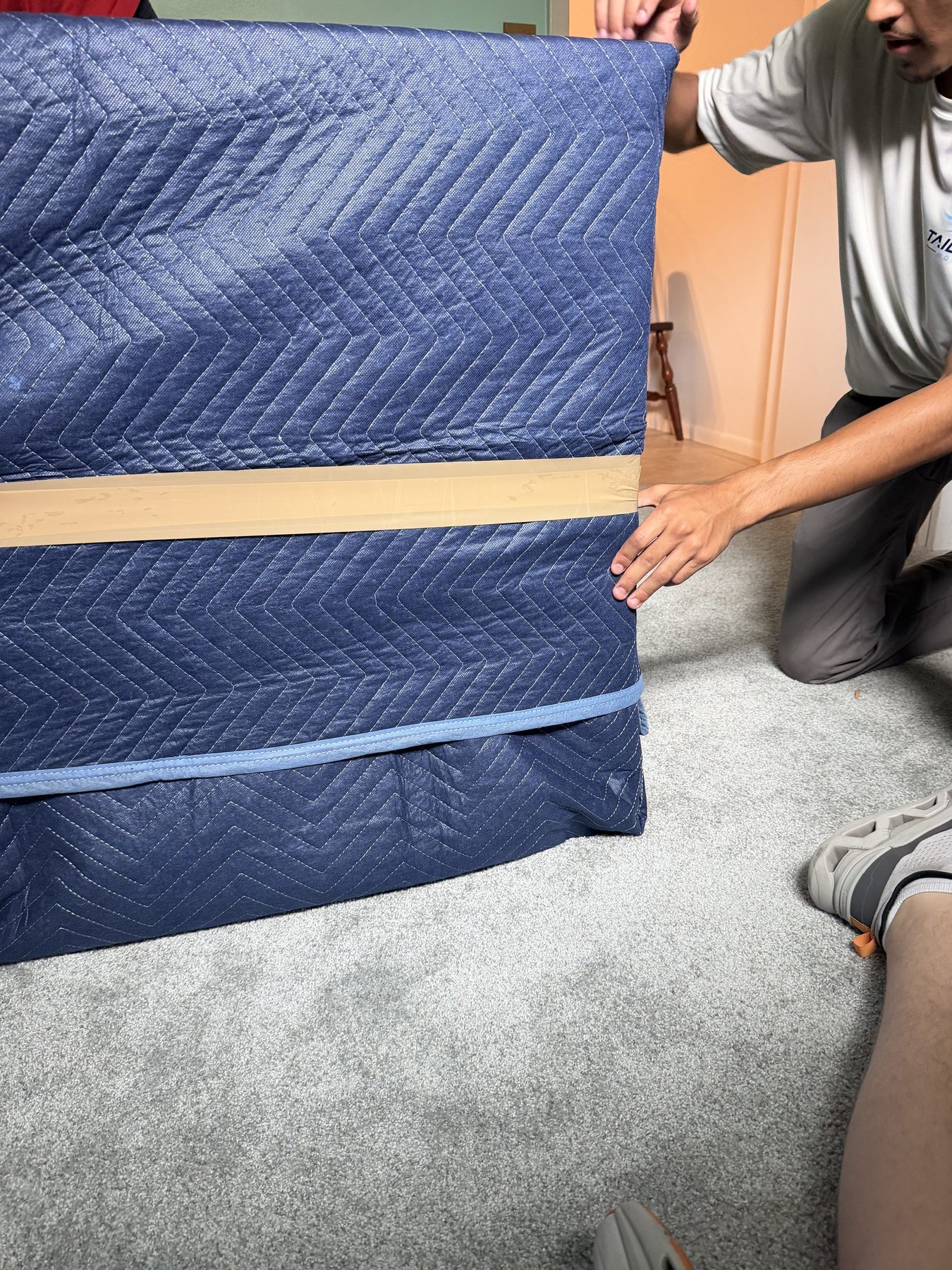
Kitchens are the room people underestimate. It looks like a handful of cabinets, and then eleven hours later you're wrapping the last casserole dish at midnight. It is consistently the slowest room in the house to pack and the one where the most stuff gets broken.
Here's how to do it in a way that actually holds up in the truck.
Start two weeks out, not two days out
The kitchen is the one room you keep using right up until moving day, which is exactly why it should be started first. Work backwards: pack what you genuinely won't touch before the move (the stand mixer, the good china, the second set of mixing bowls, the twelve travel mugs), and leave a small "open first" box for the last week — a pan, a few plates, utensils, coffee setup.
That single box saves you from eating takeout for four straight days.
Use small boxes. Smaller than you think.
The most common mistake we see is a giant box packed with dishes. Kitchen items are dense — a large box of cookware can hit 80+ pounds fast, and heavy boxes are the ones that get dropped, blow out at the bottom, or crush whatever they're stacked on.
Dishes, glassware, canned goods, small appliances: small boxes. Save the large boxes for the light bulky stuff like plastic storage containers and linens you're using as padding.
Plates go on their edge, not stacked flat
This is the single biggest upgrade to how you pack a kitchen. Stacked flat, plates take the full weight of everything above them across their weakest axis. On edge — like records in a crate — they're dramatically harder to crack.
Wrap each plate individually, stand them vertically, and fill the gaps so nothing can shift.
Glassware: wrap it, then give it walls
Wrap stemware individually and stand it upright. Cell dividers (the cardboard grids that come in dish-pack boxes) are worth buying for anything you'd be upset to lose. If you don't have dividers, build them out of flattened cardboard so no two glasses can touch.
Fill the inside of each glass with a bit of paper too — hollow glass collapses inward under pressure.
Stop using newspaper on anything white
Newsprint transfers. It'll come off in the wash, but nobody wants to unpack forty gray-smudged plates on day one. Unprinted packing paper is cheap and worth it. Dish towels, hand towels, and t-shirts also work well as padding and you were moving them anyway.
Knives, and everything else that can cut somebody
Wrap knife blades in a towel or cardboard sleeve and tape it closed, then label the bundle clearly. The same goes for mandolines, box graters, and anything with a blade. Whoever opens that box — you, your friend, one of our crew — should not find a bare edge with their hand.
The fridge and freezer need a plan
Start running down perishables about a week out. On moving day, a cooler handles anything that survived. If you're moving the fridge itself, it needs to be defrosted and fully dry at least 24 hours ahead, or you'll get water in the truck and a smell in the appliance that's very hard to get rid of.
Label the side, not the top
Boxes get stacked. A label on the top of a box is invisible the moment something goes on top of it. Write on two sides, and be specific — "KITCHEN — glassware — FRAGILE — this side up" beats "kitchen" by a mile when you're staring at thirty identical boxes in a new house.
A few things worth not packing at all
Open liquids, half-used cooking oils, and anything already near its expiration date are usually not worth the risk of a leak. Same with the back-of-the-cabinet appliances you haven't used in three years — moving is the cheapest time to get rid of them, because you're paying (in time or money) to move every single thing you keep.
Rather hand the whole thing off? Tailwind Movers handles packing, moving, storage, and junk removal across Tampa Bay — licensed, insured, and upfront about pricing.
- No obligation
- No spam, ever
- Fast response